No-sewing, just create with BUTTON MASALA
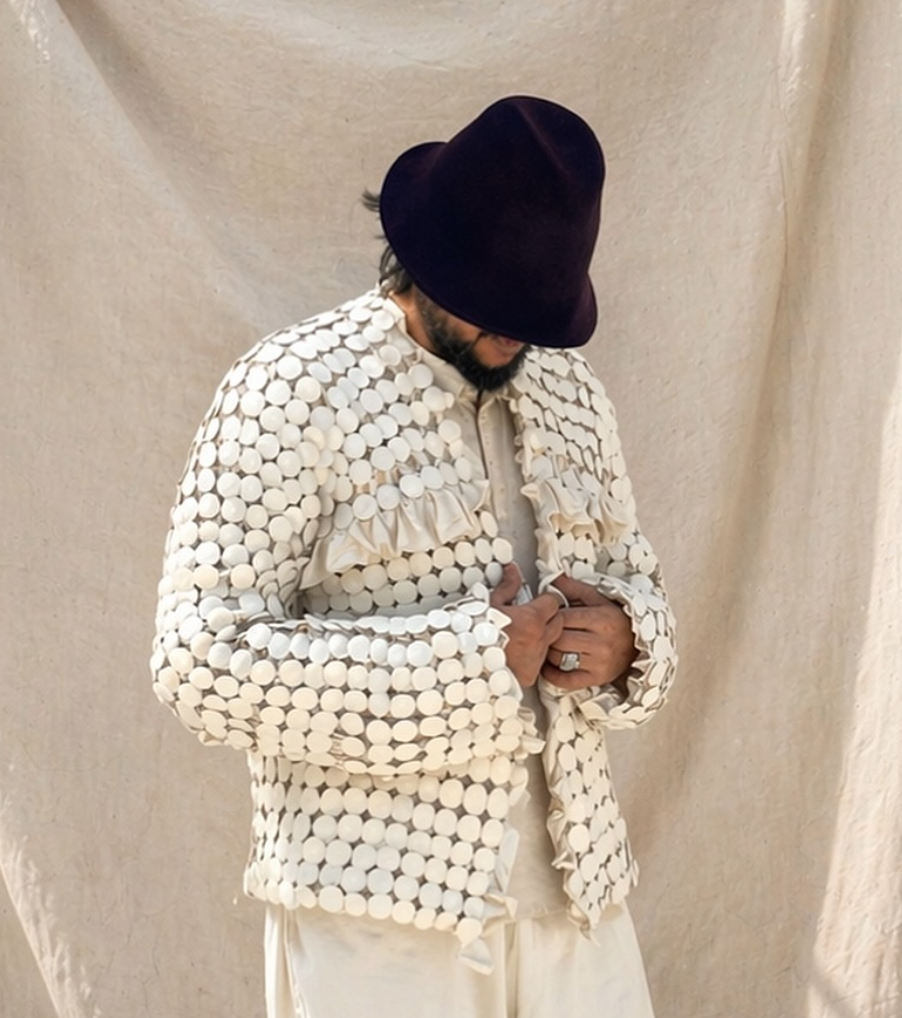
Anuj Sharma: Rethinking the Way We Make
What if you could create a garment without sewing, cutting or wasting fabric? For Indian designer Anuj Sharma, the answer lies in two simple materials: buttons and elastic bands.
Trained at the National Institute of Design in Ahmedabad, Sharma is the creator of Button Masala, an innovative textile technique that challenges conventional approaches to fashion and garment construction. By using elastic bands to connect buttons through fabric, he creates intricate forms, sculptural shapes and wearable pieces without a single stitch.
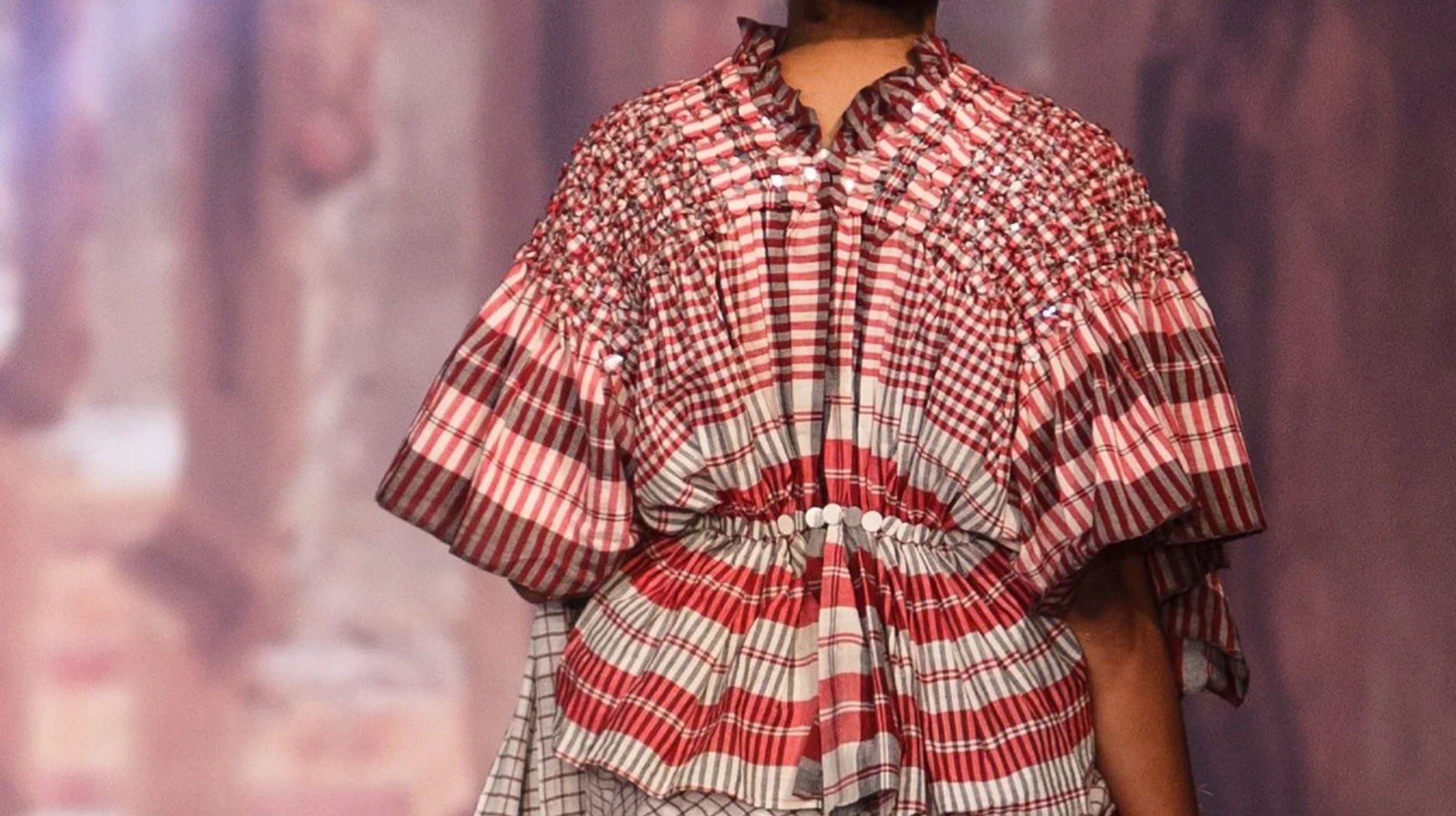
The idea emerged from a simple observation: a man wearing a shirt without buttons. Sharma began experimenting with buttons and buttonholes, exploring how their placement could generate different patterns and structures. Eventually, elastic bands replaced buttonholes, opening up an entirely new way of working with fabric.
His approach is informed by his upbringing in Rajasthan, where resourcefulness and making the most of limited materials shaped his outlook. This philosophy of doing more with less sits at the heart of Button Masala, offering an alternative to resource-intensive garment production while encouraging people to reconsider the potential of materials they already have.
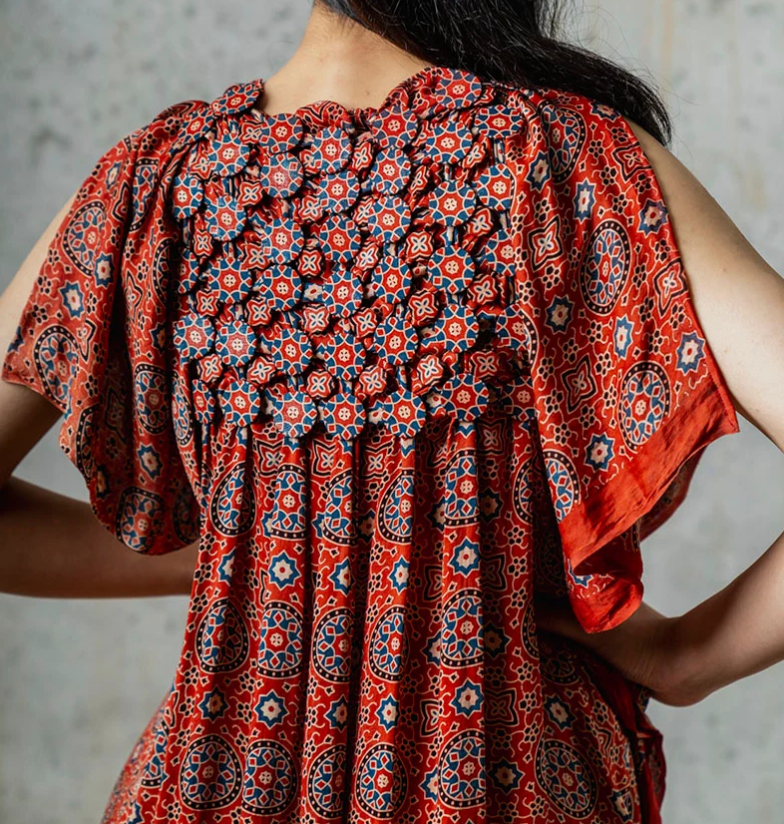
But Button Masala is more than a fashion technique. For Sharma, it is a creative space that brings people together through experimentation and participation. Rather than positioning creativity as the preserve of trained artists and designers, he believes everyone has the capacity to create. The process of making becomes an opportunity to explore, play and discover new possibilities.
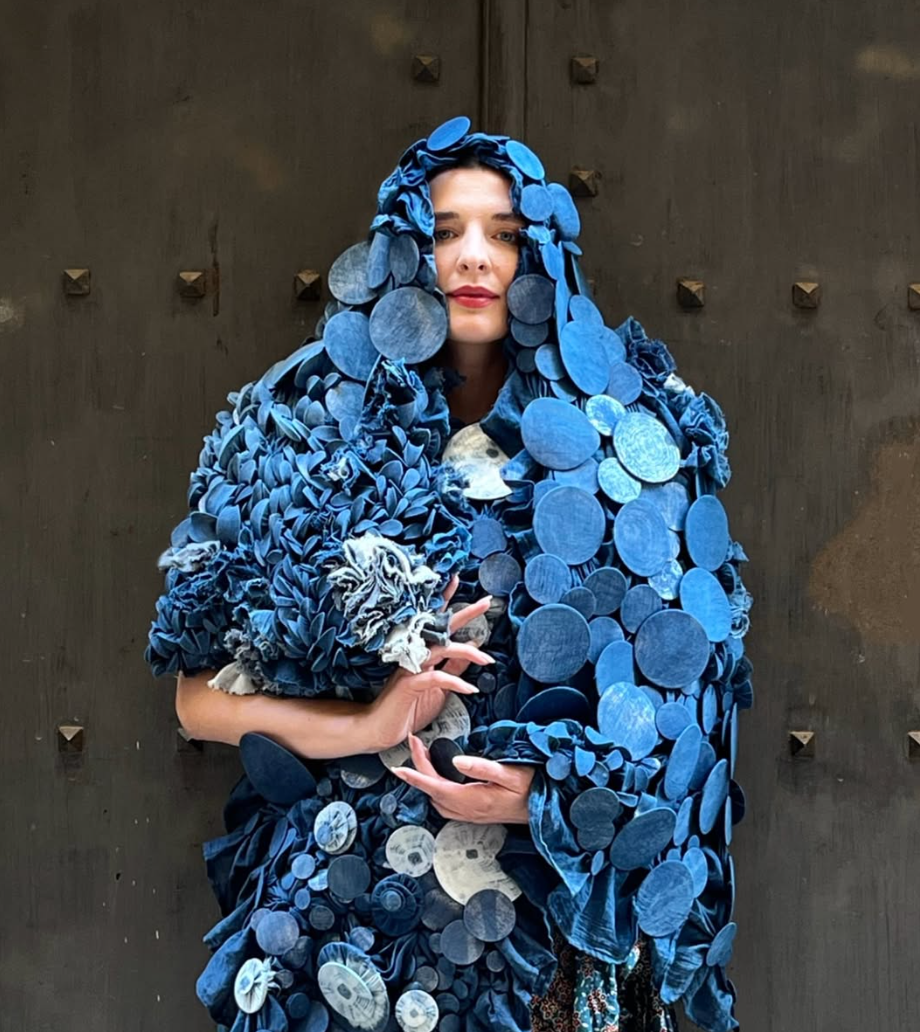
This philosophy extends into his artistic practice. At the Kochi-Muziris Biennale 2025, Sharma worked with waste fabric collected locally to develop collaborative artworks, inviting contributions from multiple participants. Textiles became not simply materials for making clothes, but a medium for collective expression.
His work also questions the boundaries between art, craft and utility. While craft is often associated with function and art with visual expression, Sharma sees these distinctions as less rigid than they are commonly understood. For him, the act of making can be both useful and artistic, connecting everyday materials with new forms of creative possibility.
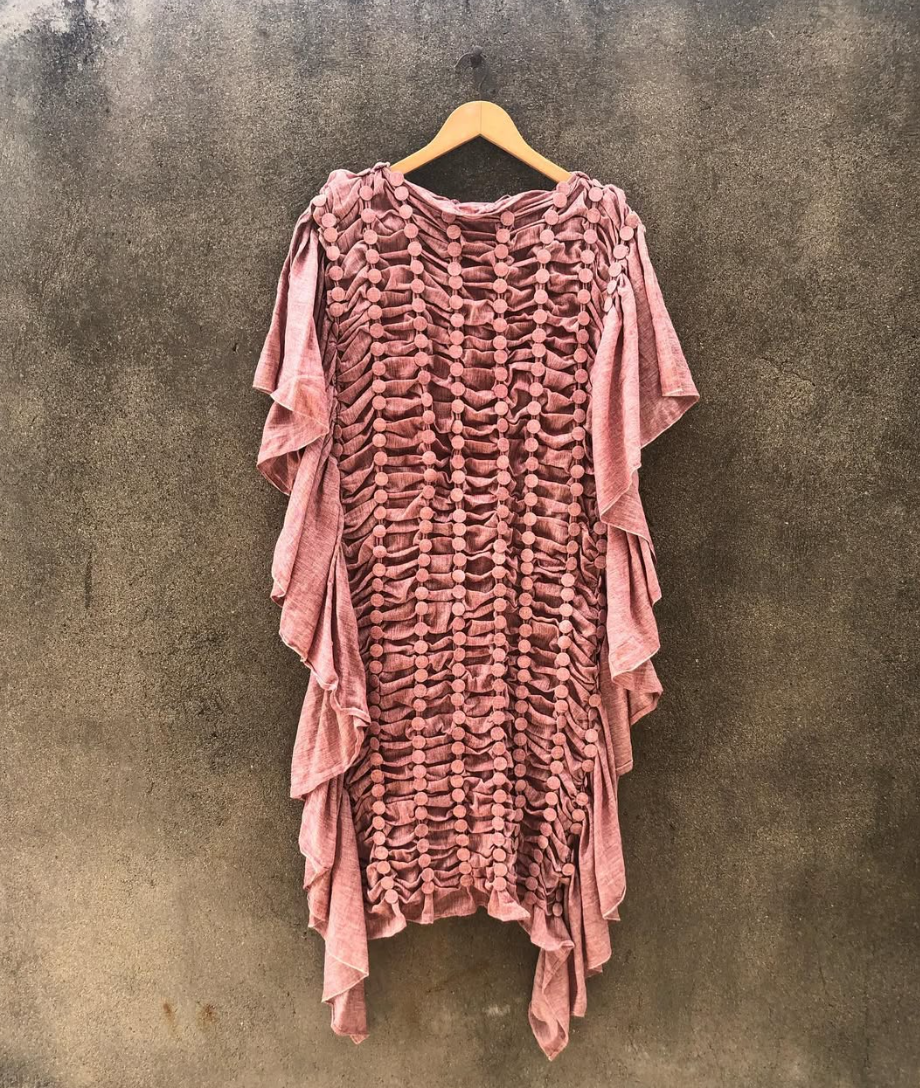
Through Button Masala, Sharma offers a fresh perspective on fashion and textiles: one that values ingenuity over excess, experimentation over convention, and participation over perfection. By making the process accessible, he invites us to look at fabric differently and reconsider what we can create with our own hands.
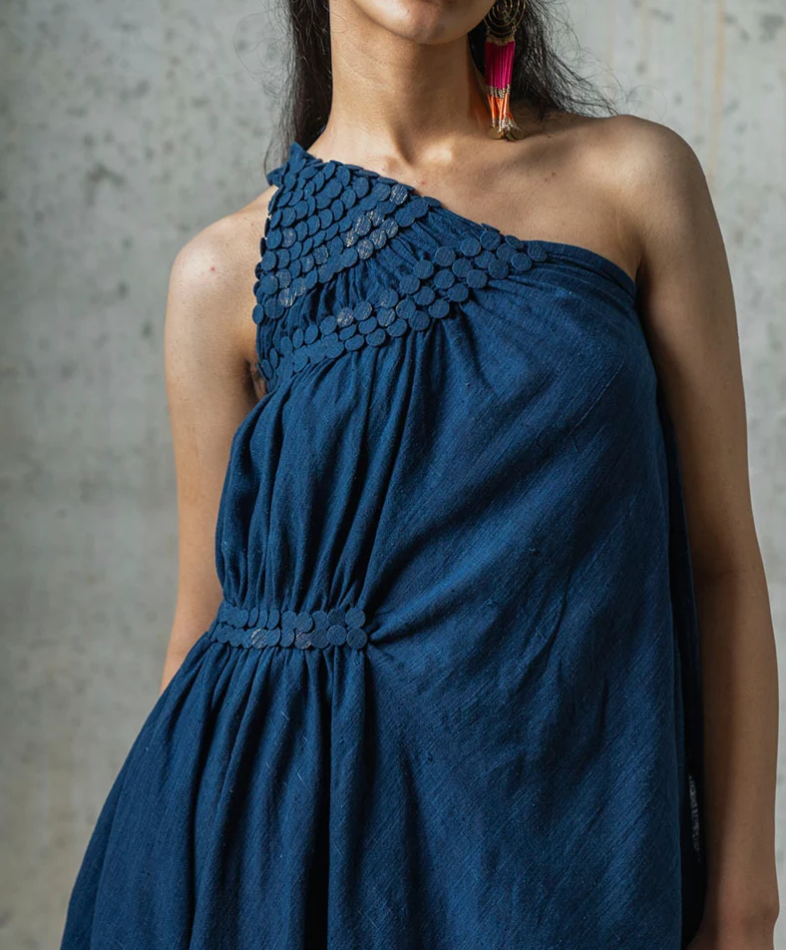
Experience Button Masala with Anuj Sharma in London.
Anuj Sharma’s practice comes to life this Diwali through two projects curated by Mehala Ford.
Through Friday Sari Project, join Anuj for a hands-on Button Masala workshop exploring how buttons and elastic can transform fabric into wearable pieces and unexpected forms — without sewing or cutting.
At the National Maritime Museum, as part of CommonGround&’s Diwali programme, Mehala Ford has commissioned Anuj to create a series of decorative installations that bring his inventive approach to textiles into a shared cultural celebration. The event is free and you can try out the technique.
Discover the workshop and Diwali programme below.
Explore the Button Masala workshop
Discover Diwali at the National Maritime Museum